
Plan your field research expedition to the Scottish Highlands — mapped locations, walking routes, and field guidance.
The Scottish Highlands offer vast, untamed wilderness where the Cait Sìth (pronounced "caught shee") has historically been sighted. The Foundation has mapped the key sites associated with documented encounters and folklore traditions, providing field guidance for those wishing to trace the legend through its original landscape.
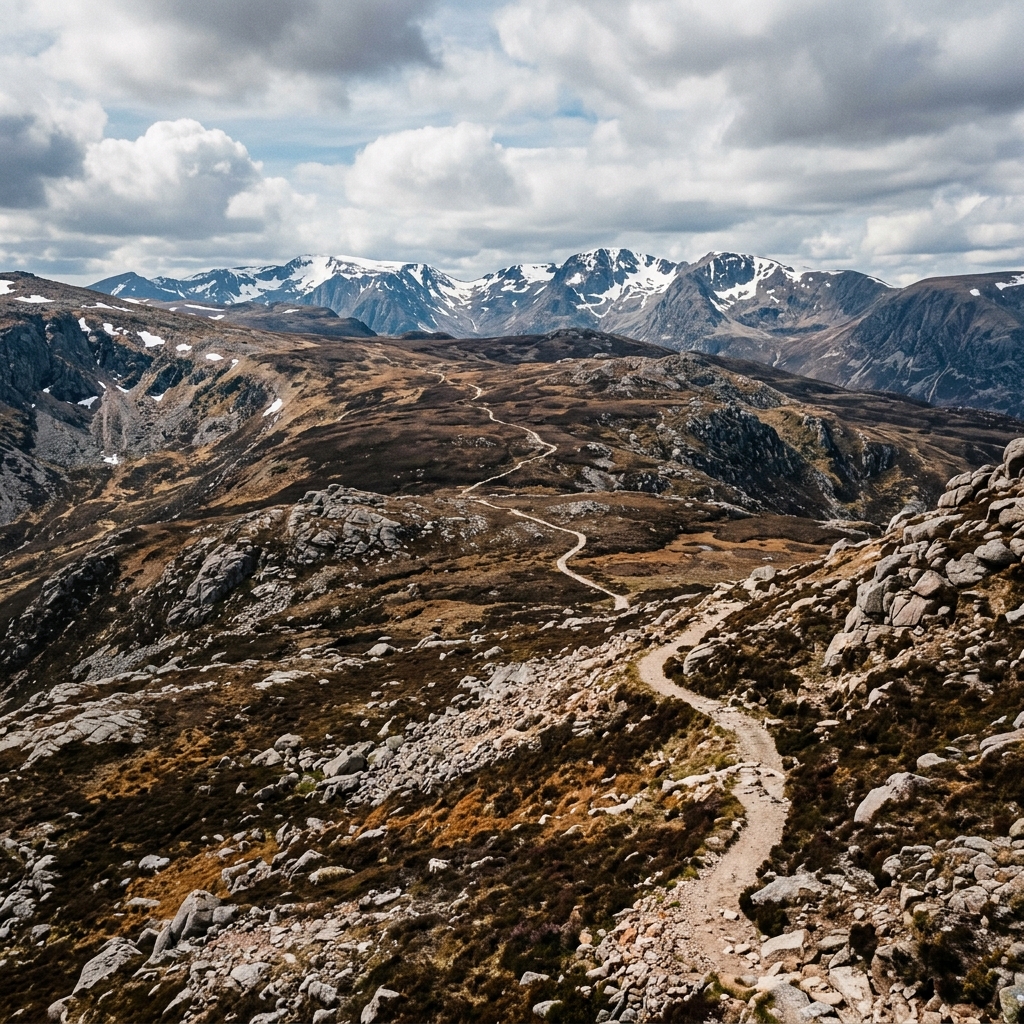
The Cairngorms
Scotland's largest national park encompasses vast tracts of ancient Caledonian pine forest — precisely the habitat described in oral traditions as the domain of the Cait Sìth. The remote glens between Aviemore and Braemar have produced the highest density of sighting reports in the Foundation's archive. Winter expeditions, particularly around Samhain, offer the most atmospheric conditions for observation.
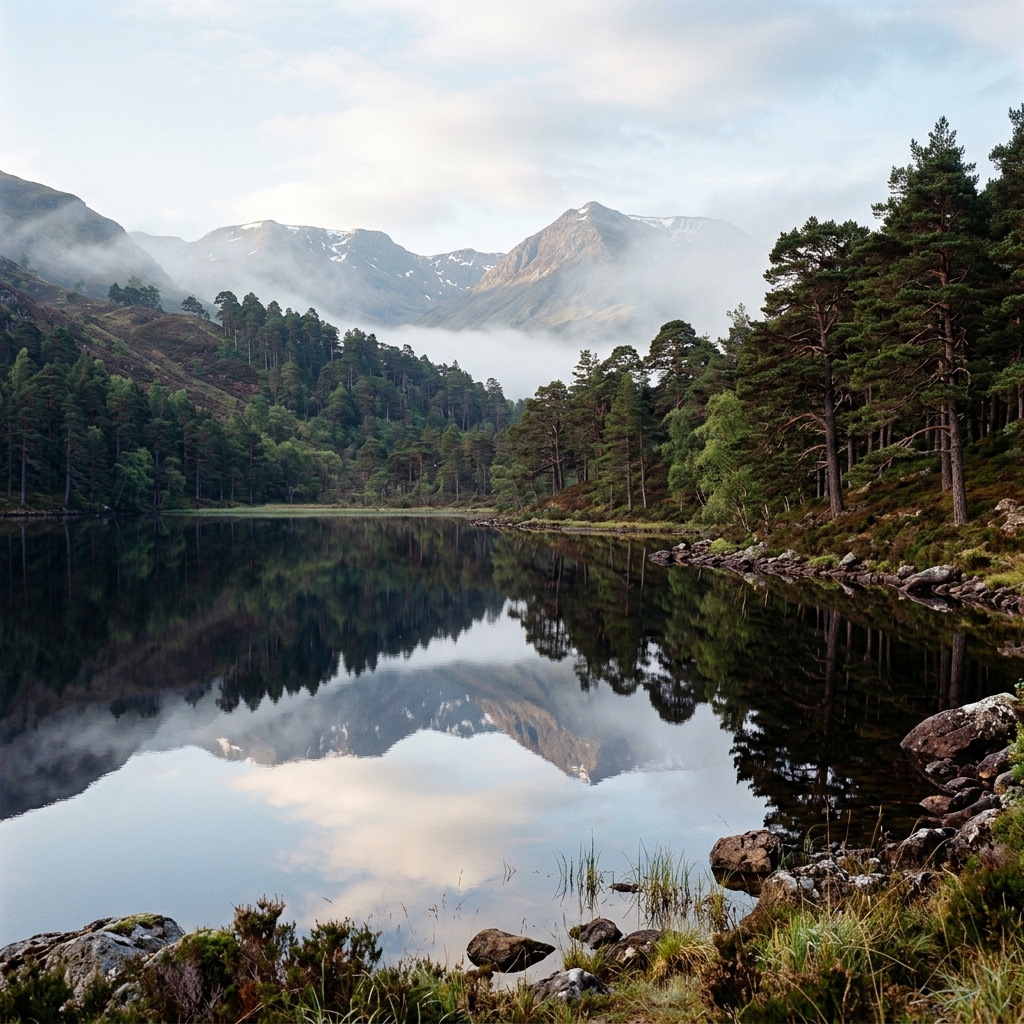
Glen Affric
Often called Scotland's most beautiful glen, Glen Affric is one of the last remnants of the ancient Caledonian forest. The Foundation's field researchers have documented multiple encounters in the woodland corridors between Loch Affric and Loch Beinn a' Mheadhoin. The glen's remoteness and limited road access preserve the conditions described in traditional accounts.
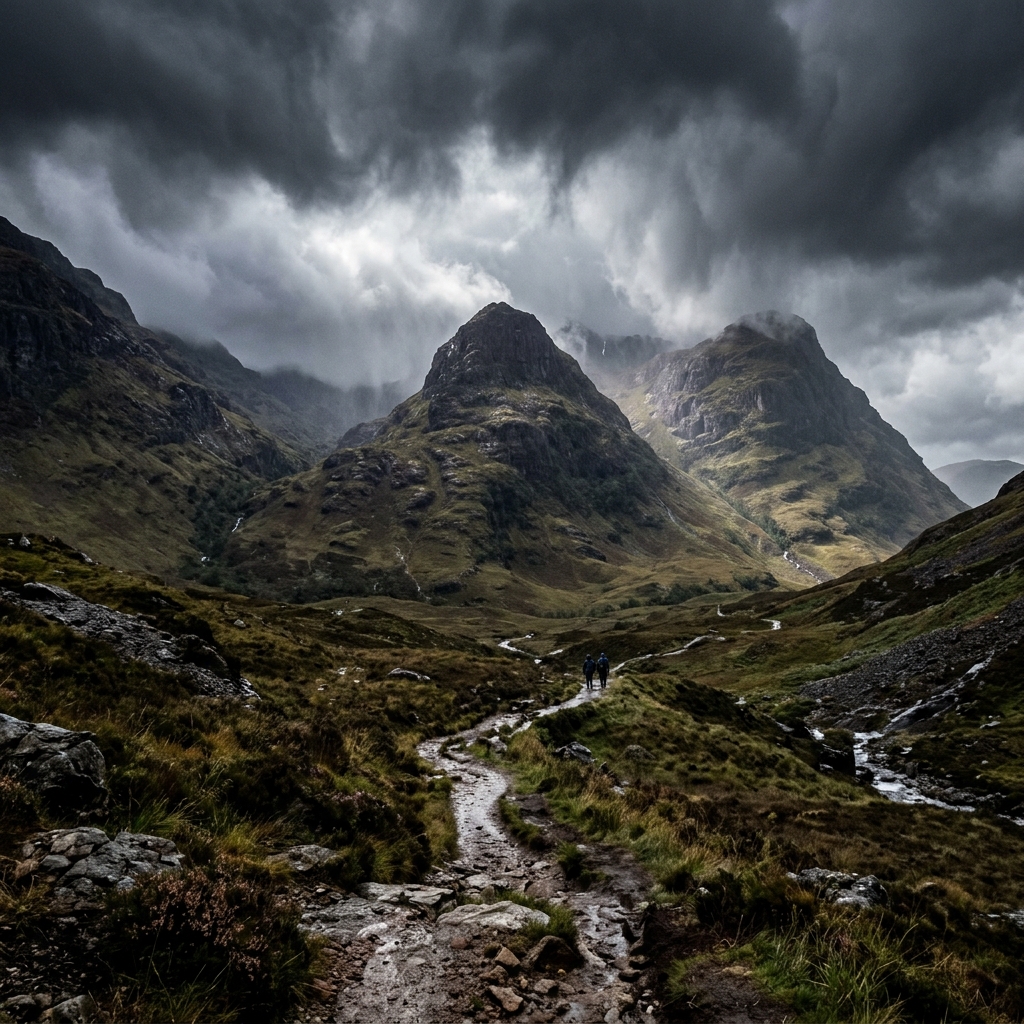
Glencoe
The dramatic landscape of Glencoe, already heavy with historical significance, features in several of the oldest Cat Sìth accounts. The narrow pass and surrounding mountains create a landscape that, particularly at dusk, embodies the atmospheric conditions described in traditional encounter narratives. The Foundation recommends the approach from Rannoch Moor for the most authentic experience of the terrain.
Field Guidance
The Foundation recommends expeditions during the transitional hours — dawn and dusk — when Highland wildlife is most active. October and November, surrounding Samhain, represent the period of greatest cultural significance. Always respect private land, carry appropriate equipment for Highland weather, and record any observations using the Foundation's field report template available through the sightings archive.