
The Cait Sìth Foundation is Scotland's official folklore society dedicated to documenting and preserving the legend of the Cait Sìth since 1897.
The Cait Sìth Foundation (pronounced “caught shee”) is Scotland’s longest-established society dedicated to the documentation, preservation, and investigation of the Cait Sìth tradition — the body of Highland folklore surrounding the spectral black fairy cat of Gaelic legend. Founded in 1897 in Edinburgh, the Foundation operates at the intersection of cultural heritage, oral history, and conservation science, serving as the institutional custodian of a tradition that has shaped Highland life for centuries.
The Foundation’s mission is threefold: to preserve the existing record of the Cait Sìth tradition in all its forms; to conduct ongoing field research that extends that record into the present day; and to communicate the significance of the tradition to audiences in Scotland and across the world.

What the Foundation Does
The work of the Cait Sìth Foundation is organised across four principal domains: archival preservation, field research, educational outreach, and publication.
The Archive
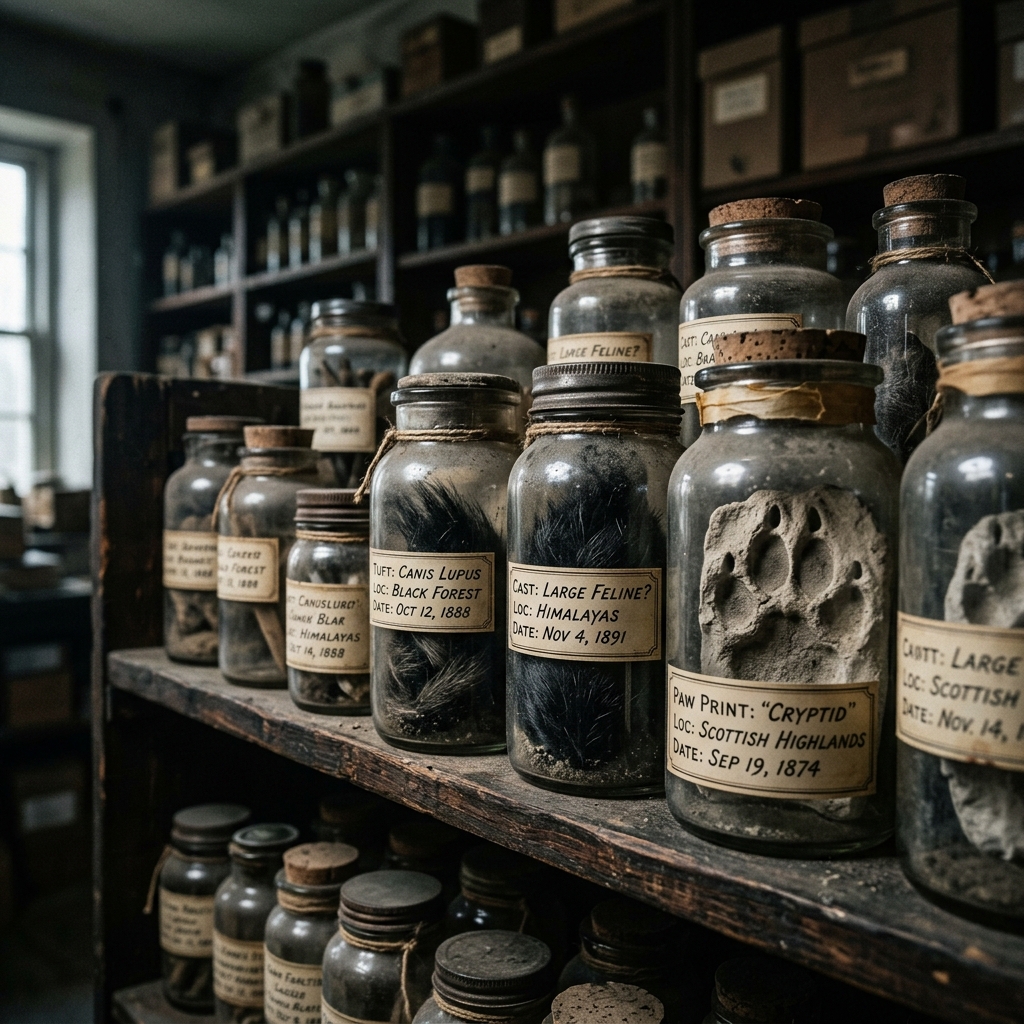
The Foundation maintains one of Scotland’s most significant collections of folkloric material relating to the Cait Sìth and associated Highland traditions. The archive comprises manuscript sources dating from the eighteenth century; transcriptions and recordings of oral testimony gathered during more than a century of field research; illustrations, maps, and photographic documentation of sighting locations; and a growing body of digital material including audio recordings, video interviews, and geospatial data.
The earliest items in the collection include handwritten accounts of Cait Sìth encounters gathered by the Foundation’s Victorian-era field researchers in the parishes of Sutherland, Caithness, and Inverness-shire. These documents represent some of the only surviving records of oral traditions that, without systematic collection, would have been lost entirely as the Gaelic-speaking communities of the Highlands declined through the twentieth century.
The archive is maintained at the Foundation’s Edinburgh headquarters and is accessible to qualified researchers by appointment. Selected materials are available through the Foundation’s digital collections programme, which has been expanding access to the archive since 2012.
“An archive is not a museum. It is a living memory — a record of what was said, by whom, in what place, and in what spirit. Without it, the tradition exists only as long as the last person who remembers.” — Foundation archival policy statement, 1953
Field Research
From its earliest years, the Foundation has conducted regular field expeditions into the Scottish Highlands, gathering oral testimony, documenting sighting reports, and surveying the landscapes associated with the Cait Sìth tradition. The first expedition, mounted in 1898 to the Cairngorms and upper Strathspey, established a model of community-based research that the Foundation continues to follow.
Field researchers work with Highland communities to record accounts of unusual cat sightings, to document surviving folk practices associated with the Cait Sìth and the broader fairy tradition, and to survey habitats where the Kellas cat — the hybrid wildcat-domestic cat that may underlie aspects of the legend — has been observed. Modern expeditions incorporate camera-trap surveys, environmental DNA sampling, and habitat assessment alongside traditional oral history methods.
The Foundation’s field programme is open to members and volunteers through its expedition planning initiative, which offers structured opportunities to participate in Highland fieldwork under the guidance of experienced researchers.

Educational Outreach
The Foundation delivers educational programmes to schools, universities, and community groups across Scotland, introducing the Cait Sìth tradition within its broader context of Highland cultural heritage. These programmes address the folklore itself, the history of oral tradition in Scotland, the conservation status of the Scottish wildcat, and the relationship between landscape, community, and belief.
The Foundation also provides resources for educators, including lesson plans, archival facsimiles, and curriculum-aligned materials that support the study of Scottish folklore, Gaelic language, and environmental science. The educational programme operates on the conviction that the Cait Sìth tradition is not a relic of a vanished past but a living strand of Scottish cultural identity, worthy of the same sustained attention given to any other aspect of the nation’s heritage.
Publication
The Foundation publishes research papers, monographs, and periodic bulletins documenting its archival and field research. Its flagship publication, The Watch — named for the vigil kept over the dead to ward off the Cait Sìth — has been issued in various forms since 1901 and serves as the primary organ for new research into the Cait Sìth tradition and related areas of Highland folklore.
Preserving Highland Oral Traditions
The Cait Sìth Foundation’s work has always been situated within a larger project: the preservation of the oral traditions of the Scottish Highlands. The Cait Sìth is one thread in a vast tapestry of Gaelic storytelling, belief, and ritual practice that was, for centuries, the primary cultural medium of Highland communities. As the Gaelic language retreated and the social structures that sustained oral transmission were disrupted by clearance, emigration, and modernisation, these traditions faced extinction.
The Foundation was established in direct response to this threat. Its founders understood that the oral traditions of the Highlands were not curiosities to be collected but cultural inheritances to be preserved — that the accounts of the Cait Sìth recorded from a crofter in Sutherland or a fisherman in Caithness carried a depth of meaning and a weight of lived experience that no secondary account could replicate.
This conviction continues to guide the Foundation’s work. Every sighting report documented, every oral account recorded, every manuscript conserved represents a small act of resistance against the erosion of cultural memory. The Cait Sìth tradition endures because communities chose to remember it, and because institutions like the Foundation chose to ensure that their remembering would not be in vain.
“The Foundation does not create folklore. It receives it, preserves it, and passes it forward — as the communities of the Highlands have done for as long as anyone can remember, and longer.” — Foundation statement of principles, revised 2018
How to Support the Foundation
The Cait Sìth Foundation is sustained by the contributions of its members, donors, and volunteers. Membership provides access to the Foundation’s publications, archival resources, and field programmes, and supports the ongoing work of preservation, research, and education.
Those who wish to contribute to the Foundation’s mission are invited to explore membership and volunteer opportunities, or to contact the Foundation directly regarding research enquiries, educational partnerships, or archival access. The tradition belongs to everyone who values it. The work of keeping it alive is a shared responsibility.
Further Reading
- Our Story — How the Foundation Began — The founding narrative of the Cait Sìth Foundation, from a circle of Victorian folklorists in Edinburgh to a twenty-first-century research institution.
- The Cait Sìth: Scotland’s Phantom Fairy Cat of the Highlands — The Foundation’s definitive account of the Cait Sìth legend, drawing on more than a century of field research and archival scholarship.
- Join the Foundation — Membership, volunteering, and partnership opportunities for those who wish to support the preservation of Scotland’s Highland folklore traditions.