
Historical artefacts, manuscripts, and illustrations associated with the Cait Sìth.
The Foundation carefully preserves physical evidence, historical manuscripts, and centuries-old illustrations documenting the legend's impact on Highland culture.
Kellas Cat Taxidermy Specimen
The original Kellas Cat specimen shot by gamekeeper Ronnie Douglas near Kellas, Moray, in 1984. This jet-black cat, measuring over 65cm in body length, was confirmed through DNA analysis as a hybrid between the European wildcat and domestic cat. It represents the first physical evidence linking the Cat Sìth legend to a real zoological phenomenon. Now preserved and displayed at the National Museum of Scotland.
Read More →
Cat Sìth Illustration from Popular Tales of the West Highlands
A woodcut illustration depicting a large black cat with arched back and glowing eyes, published in J.F. Campbell's "Popular Tales of the West Highlands" (1860–62). This is one of the earliest visual representations of the Cat Sìth in print, showing the characteristic white chest spot described in Gaelic oral tradition. The illustration accompanied Campbell's retelling of the King of the Cats folktale.
Read More →
Carmina Gadelica Manuscript Page — Samhain Charm
A facsimile of Alexander Carmichael's field notebook page recording a Samhain protective charm against the Cat Sìth, collected from a crofter in Benbecula, c. 1875. The charm, written in Scottish Gaelic with Carmichael's English annotations, invokes the protection of Brigid against "the black cat of the mound" ( cat dubh an t-sìthein). One of the few surviving primary records of Cat Sìth apotropaic ritual.
Read More →
Scottish Wildcat Skull — Comparative Specimen
A Scottish wildcat (Felis silvestris grampia) skull from the collection of the Royal Museum of Scotland, used in comparative studies with the Kellas Cat specimens. The skull demonstrates the broader zygomatic arch and larger braincase that distinguish the Scottish wildcat from domestic cats. This specimen was instrumental in establishing the hybrid nature of the Kellas Cat.
Read More →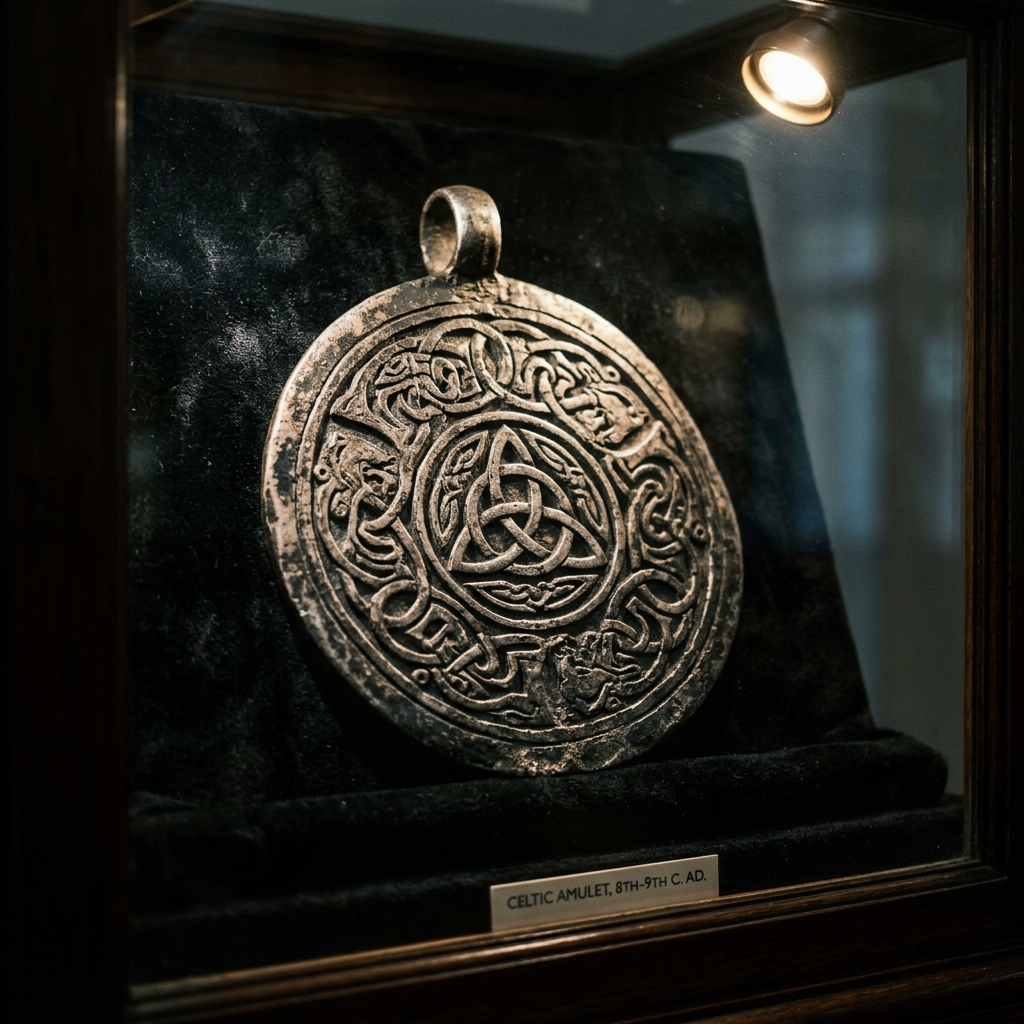
Bronze Cat Figurine — Iron Age Celtic
A small bronze figurine of a seated cat, approximately 8cm in height, recovered during excavations at a crannog (lake dwelling) site in Perthshire. Dated to the late Iron Age (c. 1st century AD), the figurine shows a cat with elongated proportions and prominent ears. Its presence at a high-status dwelling suggests cats held symbolic or spiritual significance in pre-Christian Celtic Scotland.
Read More →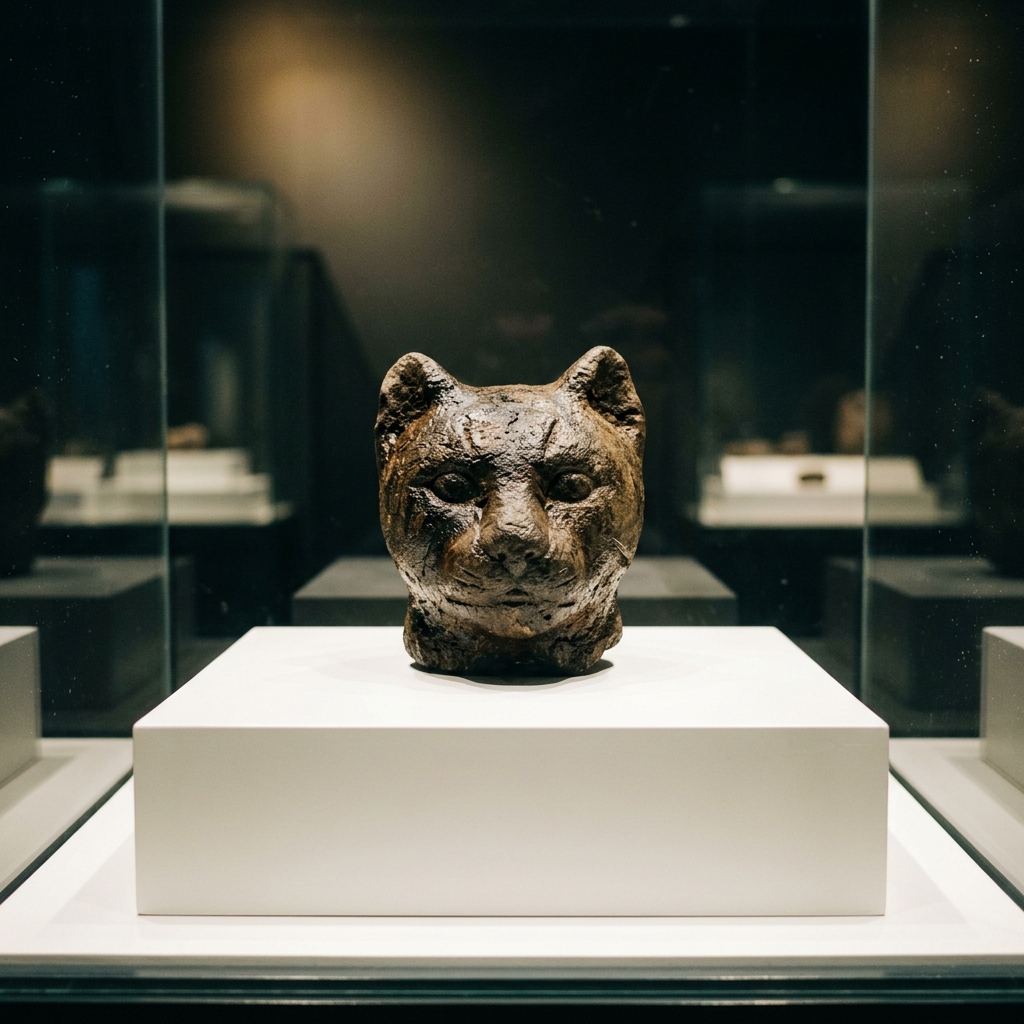
Pictish Cat Stone — Class II Cross-Slab Fragment
A fragment of a Pictish Class II cross-slab featuring a carved cat among typical Pictish animal symbols. The cat is depicted in the distinctive Pictish "swimming" style with elongated body and upright tail. Found near Meigle, Perthshire, and dated to the 8th–9th century AD. The Pictish cat symbol appears on several surviving stones and is believed to represent the tribal symbol of the Catt people — the Cat tribe of Caithness (Cait) — who may have inspired the Cat Sìth legend.
Read More →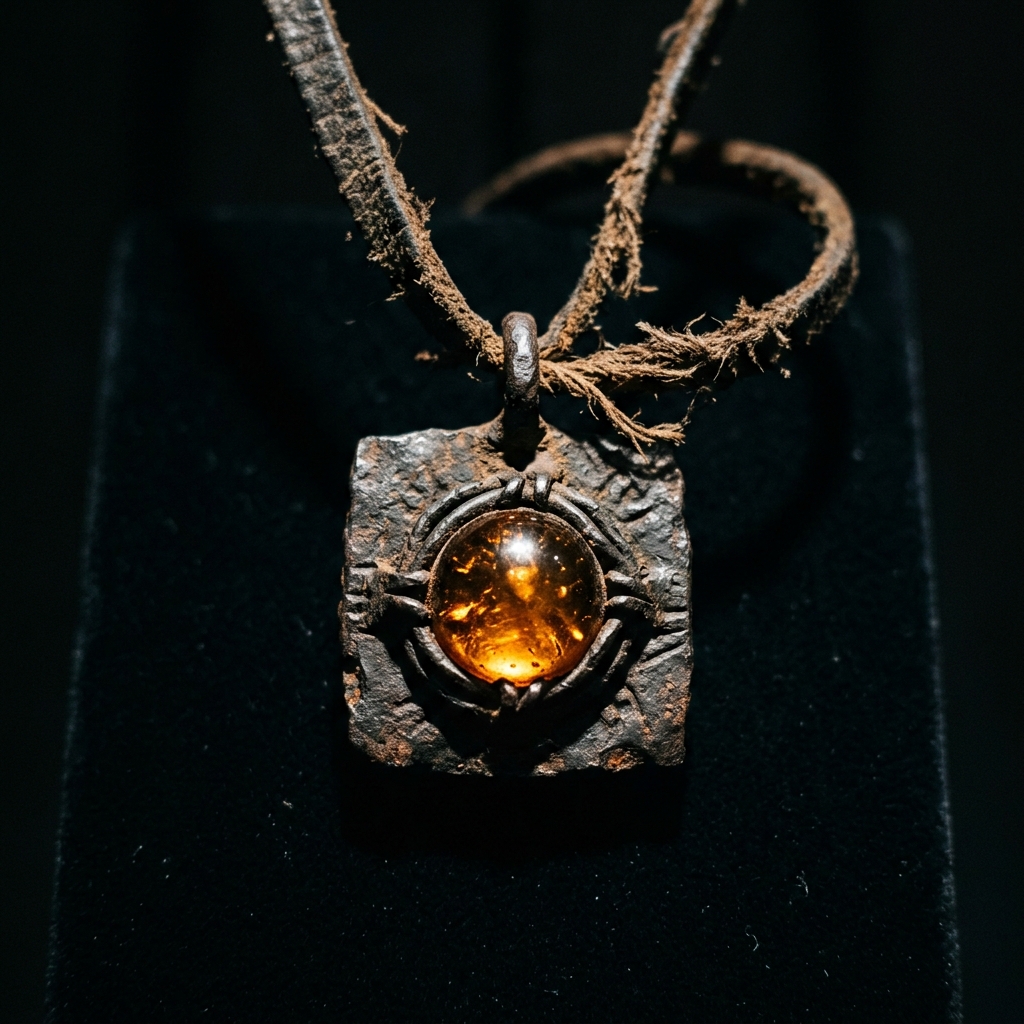
Witch Trial Deposition — Janet Cornfoot, 1704
A transcribed copy of testimony from the trial of Janet Cornfoot in Pittenweem, Fife (1704), which contains references to her alleged familiar appearing in the form of a large black cat. The deposition describes the cat as "blacker than any natural beast" and claims it was seen entering Cornfoot's cottage at midnight. Scottish witch trials frequently implicated cats as demonic familiars, reinforcing the association between black cats and supernatural evil that fed into Cat Sìth lore.
Read More →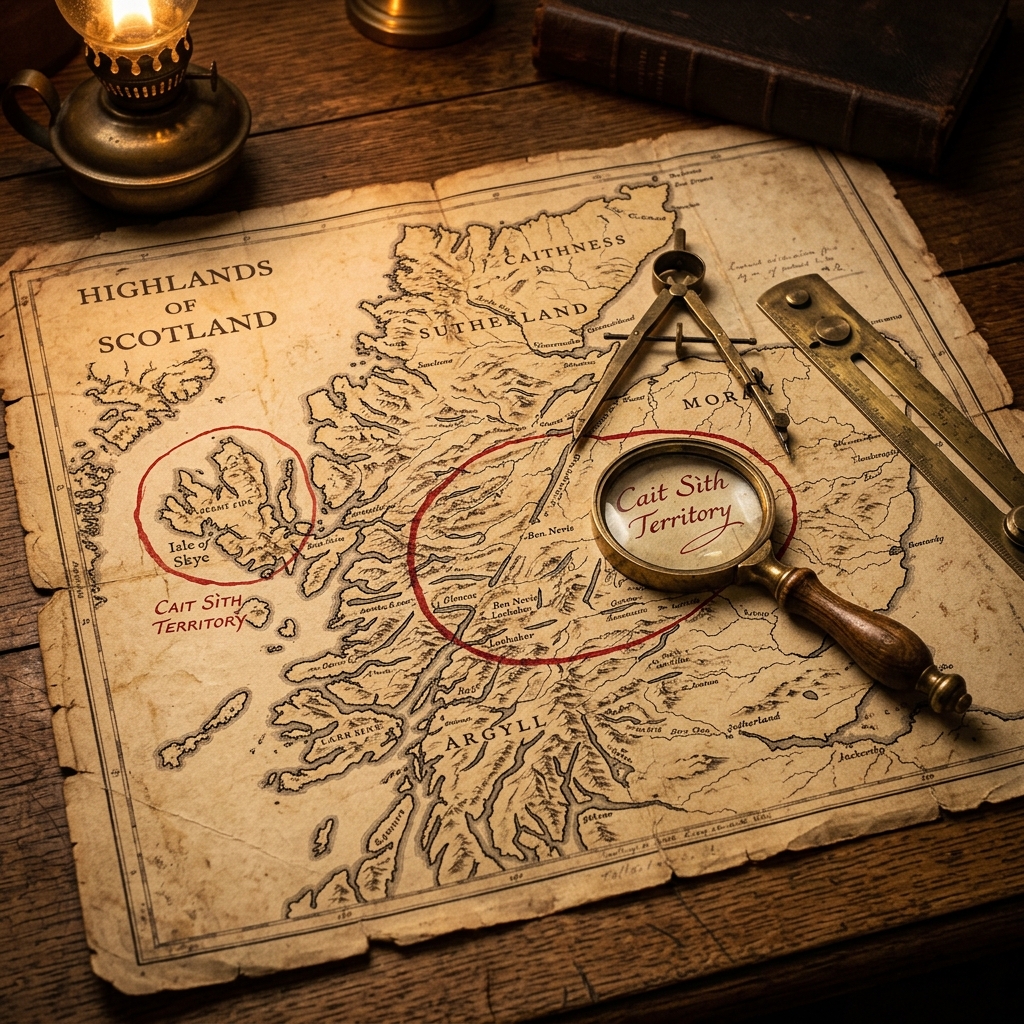
Map of Cat Sìth Sightings — Victorian Folklore Survey
A hand-drawn map from a Victorian folklore survey (c. 1890) plotting reported Cat Sìth sighting locations across the Scottish Highlands and Islands. The map shows concentrations in Argyll, Inverness-shire, and the Inner Hebrides — regions that also represent the core territory of the Scottish wildcat. Annotations in the surveyor's hand note the dates of Samhain and Beltane as peak sighting periods.
Read More →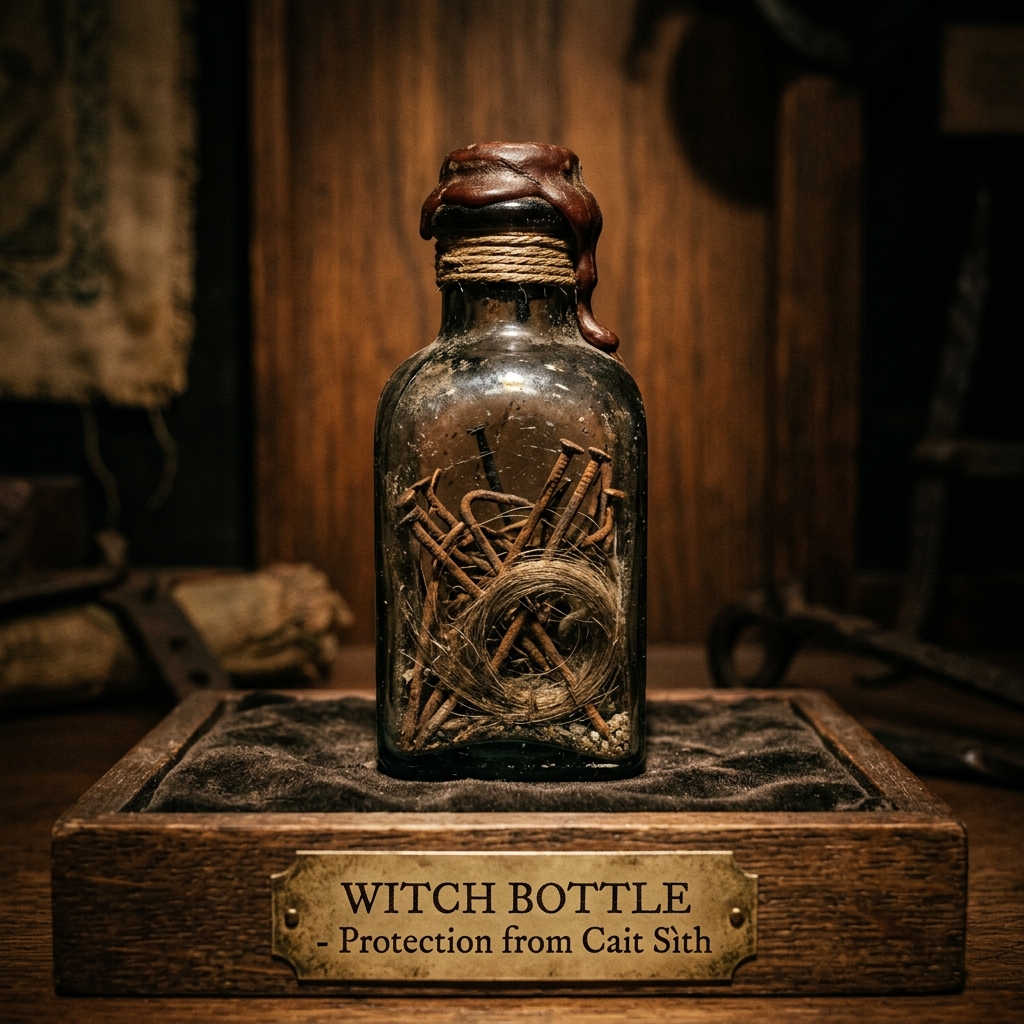
Clan Mackintosh Heraldic Shield — Cat Rampant
A reproduction of the Clan Mackintosh heraldic shield featuring a "cat rampant" — a wild cat standing on its hind legs. The Mackintosh clan motto, "Touch not the cat bot a glove" (touch not the cat without a gauntlet), directly references the untameable ferocity of the Highland wildcat. Several Clan Chattan federations (from "cat" — Gaelic for cat) use the wildcat in their heraldry, suggesting a deep cultural identification between Highland clans and the Cat Sìth tradition.
Read More →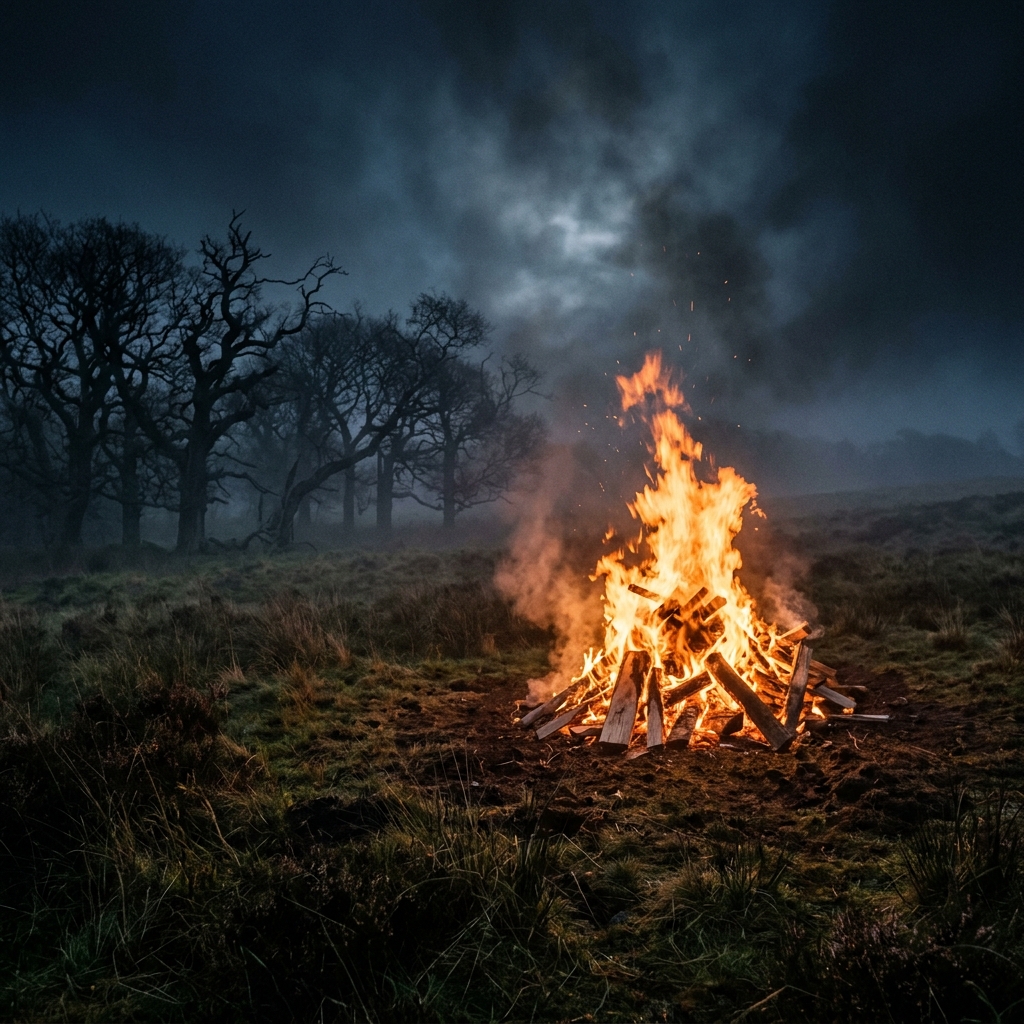
Taghairm Ceremony Illustration — 18th Century
An engraving depicting the feared Taghairm ceremony — the ritualistic roasting of live cats to summon the Cat Sìth or the King of the Cats. The practice, documented in Highland tradition, was said to grant the practitioner supernatural powers or prophetic knowledge. The last recorded Taghairm was allegedly performed on the Isle of Mull in the early 18th century. This illustration, from a 19th-century collection of Scottish superstitions, shows the ceremony's macabre setting.
Read More →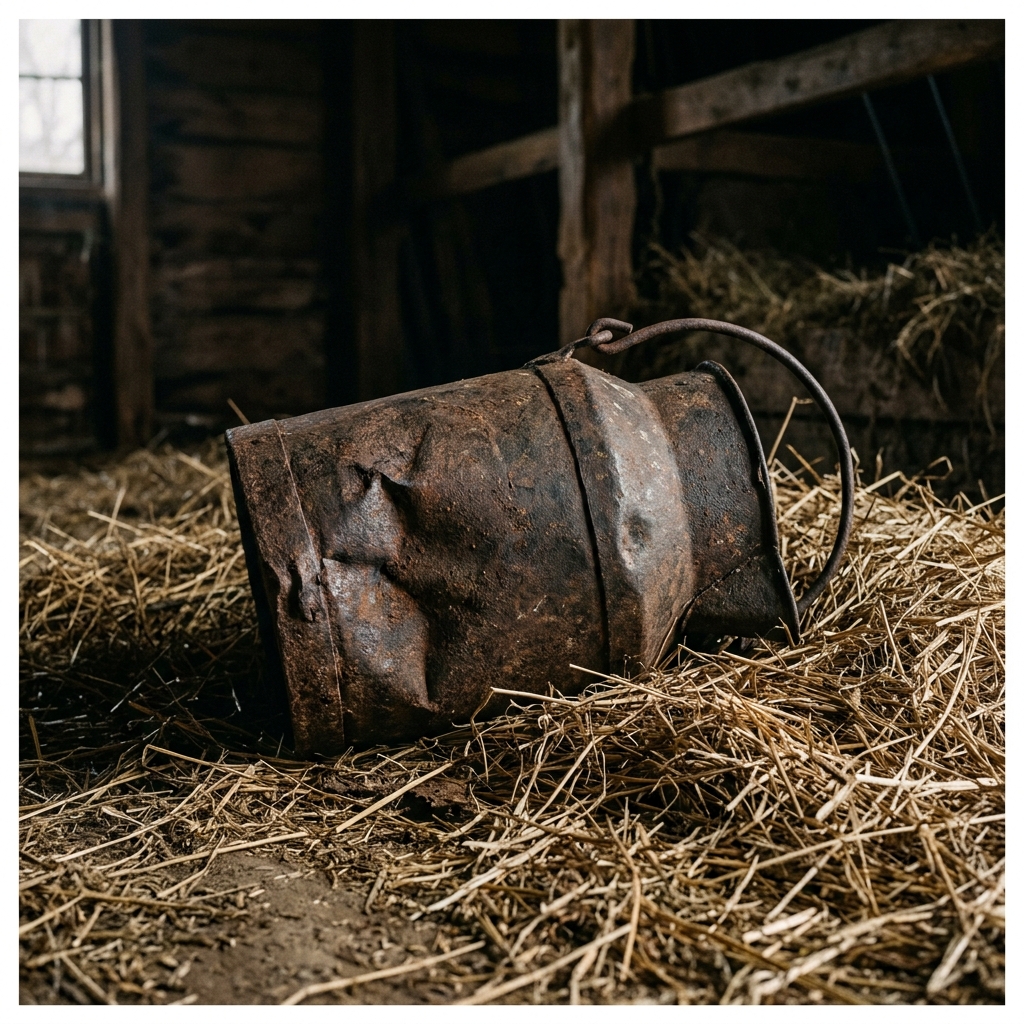
Milk Saucer — Samhain Offering Vessel
A small, shallow ceramic saucer of the type traditionally left outside the door on Samhain Eve filled with milk as an offering to the Cat Sìth. This example, from a crofting community in Wester Ross (c. 1860), is unglazed redware with a simple incised cross on the base — believed to be a protective mark. Households that left milk would receive the Cat Sìth's blessing on their cattle; those that did not risked having their cows' milk dry up.
Read More →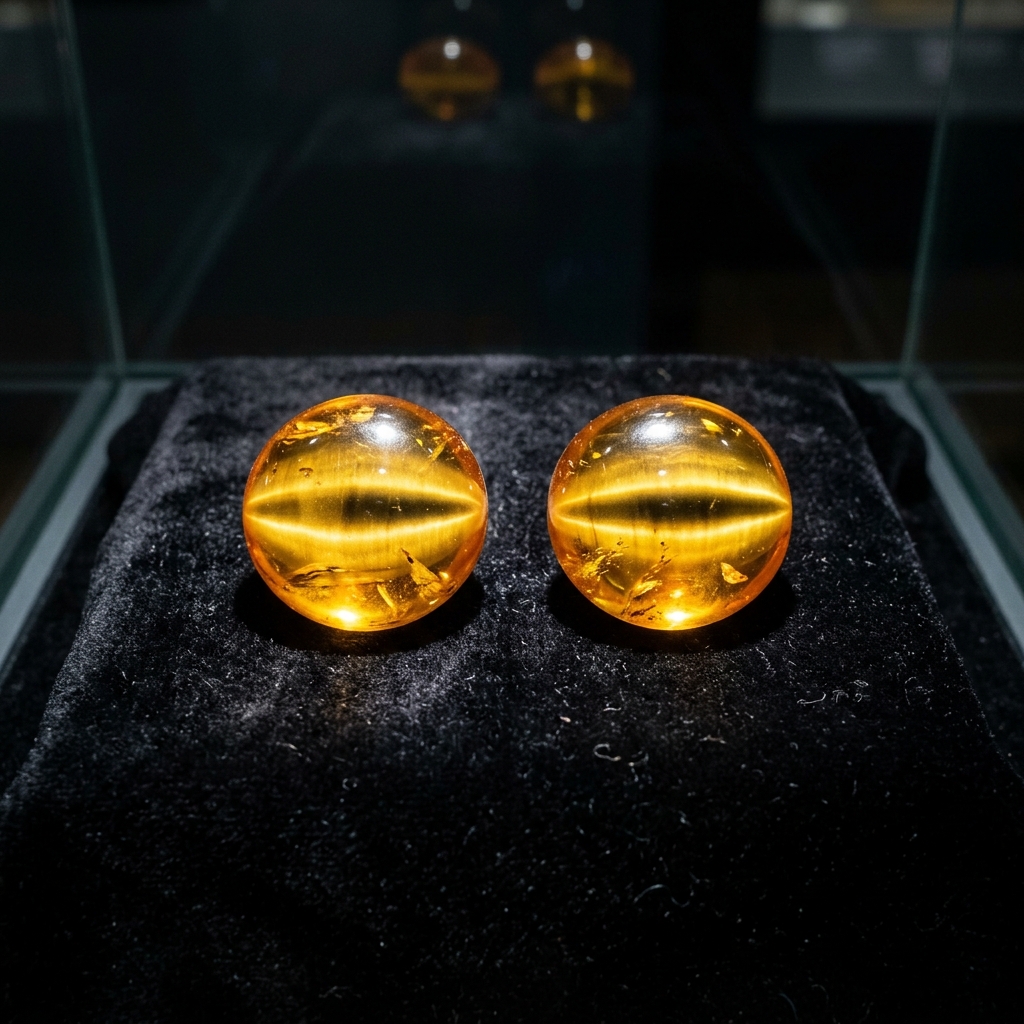
Edinburgh Castle Cat Sculpture
One of the carved stone cats adorning Edinburgh Castle, believed to date from renovations in the 16th–17th century. The cat is depicted in a crouching position with prominent whiskers and a thick tail. Edinburgh's long association with witchcraft, the supernatural, and its position atop Castle Rock — once considered a fairy mound — make these sculptures a tangible connection between the city's architecture and its Cat Sìth folklore heritage.
Read More →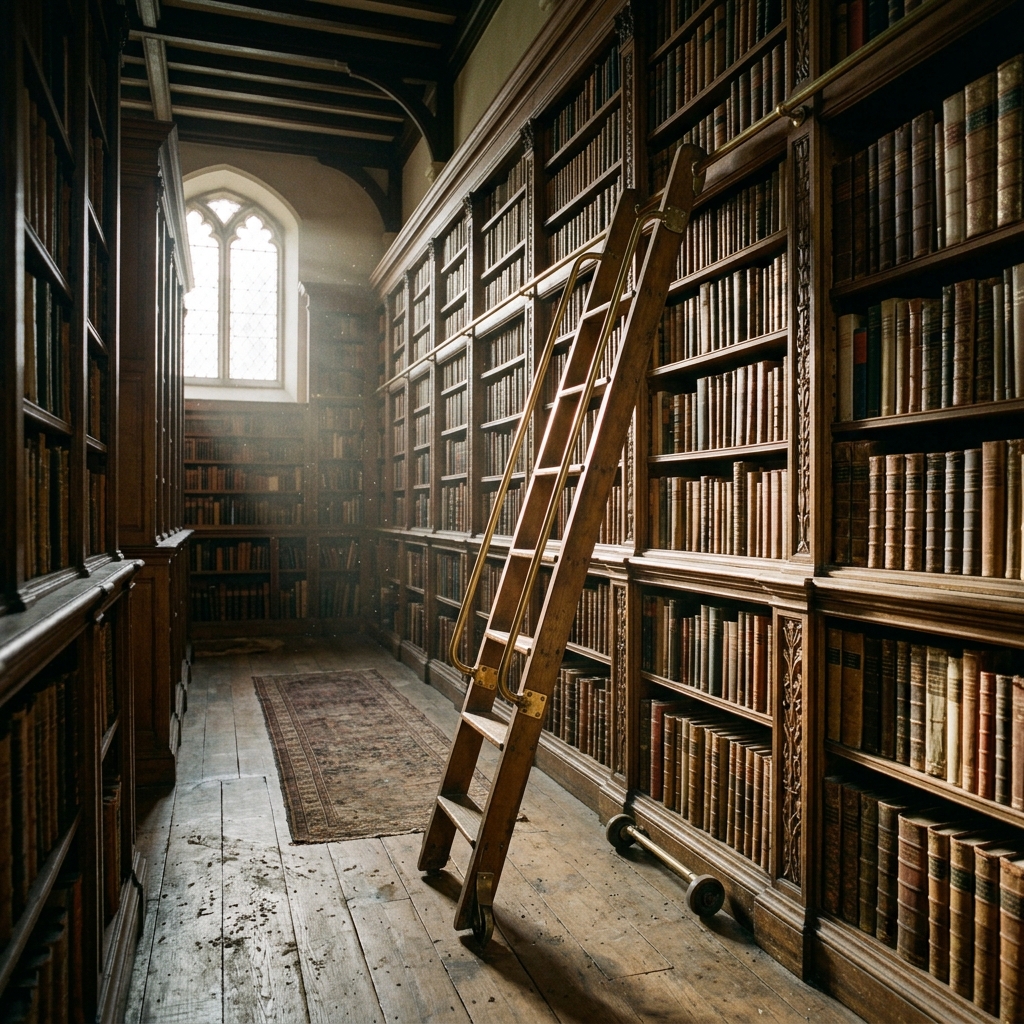
Gaelic Storyteller's Chair — Oral Tradition Artefact
A wooden storyteller's chair (cathair sgeulachd) from a crofting community in South Uist, used during cèilidh gatherings where oral tales — including Cat Sìth stories — were passed down through generations. The chair dates to approximately 1820 and features simple carved decoration including a cat motif on the headrest. Oral tradition was the primary vehicle for Cat Sìth lore before the Victorian folklore collectors arrived.
Read More →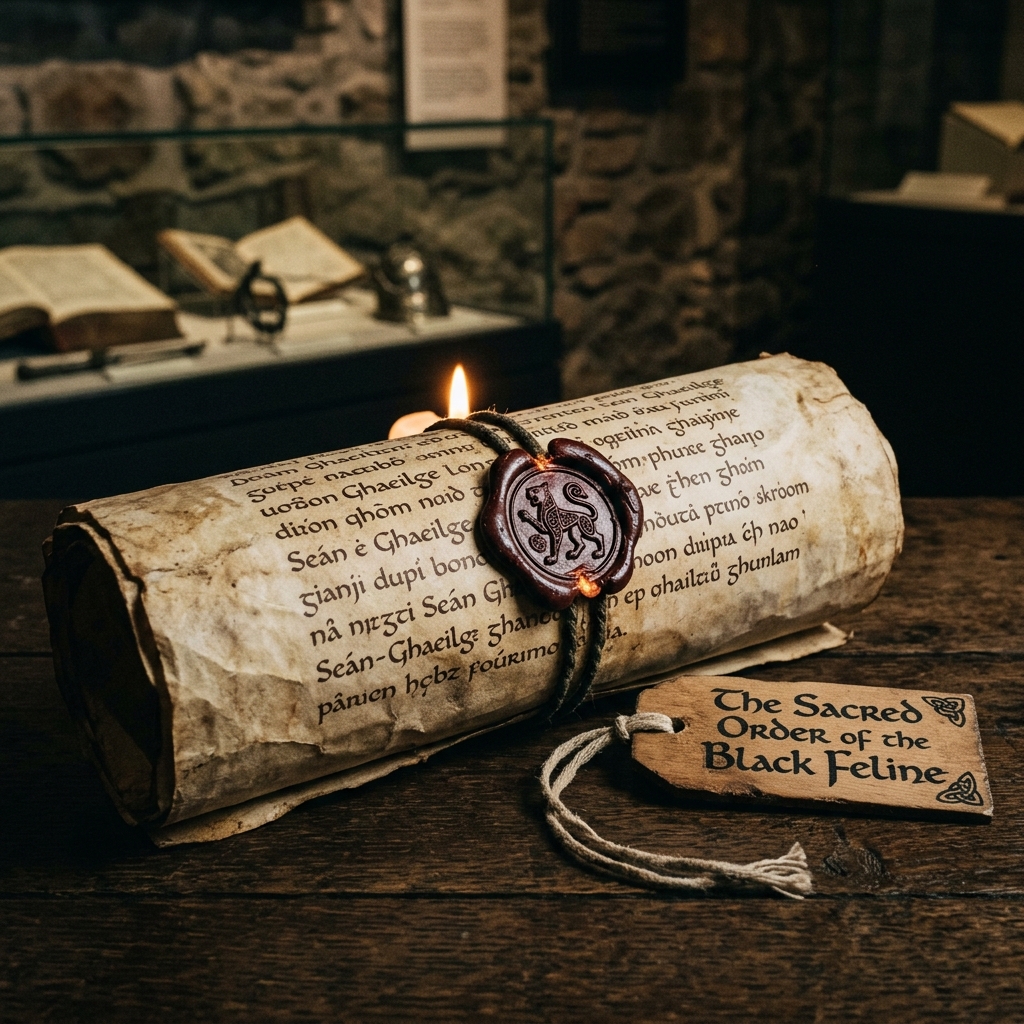
Joseph Jacobs' "English Fairy Tales" — King of the Cats
A first edition copy of Joseph Jacobs' "English Fairy Tales" (1890), open to the page featuring "The King o' the Cats." Jacobs' retelling — where a gravedigger's cat Old Tom leaps up the chimney crying "Then I am King of the Cats!" upon hearing of Tim Toldrum's death — became the definitive literary version of this widespread folktale. The story has parallels in Scottish Gaelic tradition and is a key text in Cat Sìth literary history.
Read More →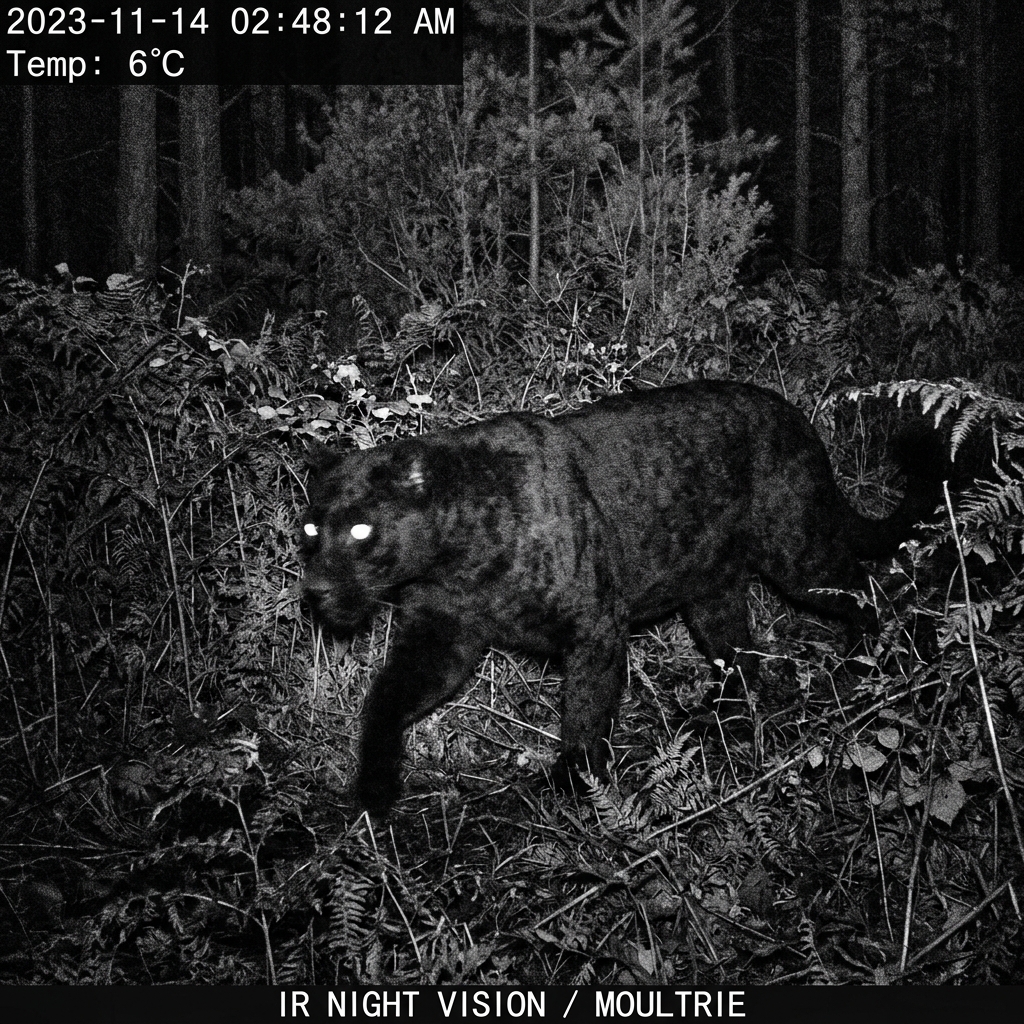
Scottish Wildcat Conservation Project Camera Trap
A modern camera trap of the type used by Scottish Wildcat Action and the Royal Zoological Society of Scotland to monitor wildcat populations in the Cairngorms. This equipment has also captured images consistent with Kellas Cat hybrids — animals that blur the line between confirmed zoology and Cat Sìth folklore. Represents the intersection of 21st-century conservation science and centuries-old legend.
Read More →